
Blog
Teak Furniture UK: Complete Buying, Quality and Care Guide

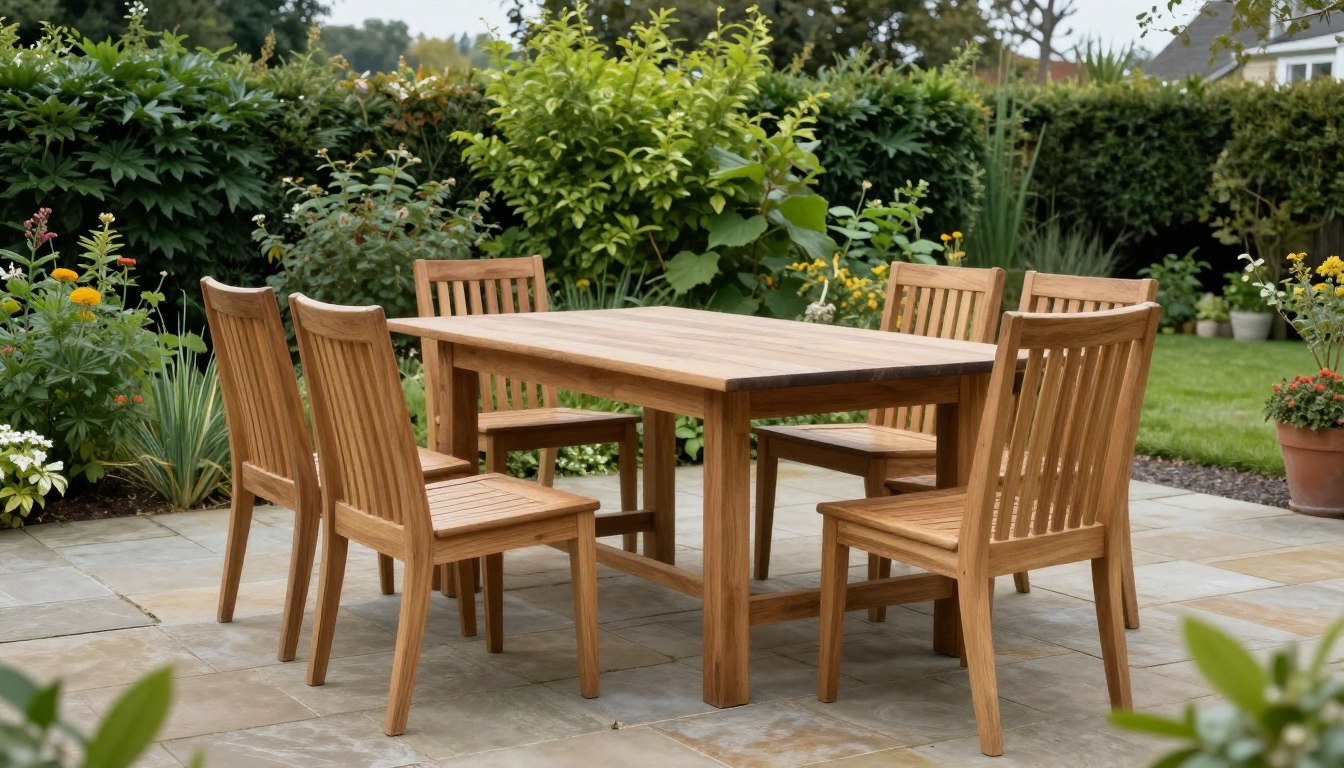
Teak furniture UK collections provide exceptional natural resilience against damp maritime weather, persistent rainfall, and seasonal temperature swings. The dense grain and high natural oil content of genuine teak protect outdoor dining sets, garden benches, and interior pieces from rot, fungal decay, and warping without requiring artificial chemical treatments.
Selecting the right timber grade, inspecting traditional mortise and tenon joinery, and applying appropriate seasonal care determine whether outdoor furniture withstands unpredictable British conditions. Informed choices regarding plantation provenance, environmental certification, and surface treatments help property owners enjoy decades of structural stability and timeless aesthetic appeal.
What Is Teak Furniture and Why It Suits British Homes
Teak furniture consists of timber harvested from Tectona grandis, a tropical hardwood native to South and Southeast Asia. The wood has earned an international reputation for marine construction, architectural joinery, and fine outdoor living furniture due to its extraordinary structural density. While many domestic hardwoods expand and contract dramatically when exposed to ambient moisture, teak maintains remarkable dimensional stability across shifting seasons.
British households frequently experience sudden weather shifts, where bright sunshine gives way to heavy rain showers and high humidity. Teak naturally regulates moisture uptake because its cellular structure remains filled with organic resins and natural rubber compounds even after kiln drying. This internal saturation prevents the timber from splitting, twisting, or developing structural fissures when left on an exposed patio or kept inside a centrally heated home.
Natural Rubber
Internal rubber deposits act as an organic water repellent, minimising moisture absorption during prolonged British rainfall.
High Silica Content
Silica embedded within the wood grain creates natural resistance against boring insects, surface abrasion, and fungal rot.
Dimensional Stability
Minimal shrinkage and swelling protect joints from loosening under fluctuating outdoor humidity and indoor heating systems.
Beyond outdoor performance, interior teak pieces bring warm golden-brown hues and refined linear grain patterns into dining rooms, hallways, and living areas. Indoor furniture crafted from solid teak handles occasional spills, variable room temperatures, and heavy daily use without losing structural poise. The timber accepts light waxing or natural matte sealers readily, allowing interior stylists to complement both traditional and modern British architectural aesthetics.
Durability and Weather Resistance in the UK Climate
The British climate presents specific challenges for exterior timber products, characterised by sustained winter dampness, moss growth, and regular freeze-thaw cycles. Substandard timbers absorb ground moisture and rainwater, expanding until ice crystals rupture internal wood fibres and crack vulnerable joints. High-grade teak naturally resists this decay mechanism because water struggles to penetrate past the outermost surface fibres.
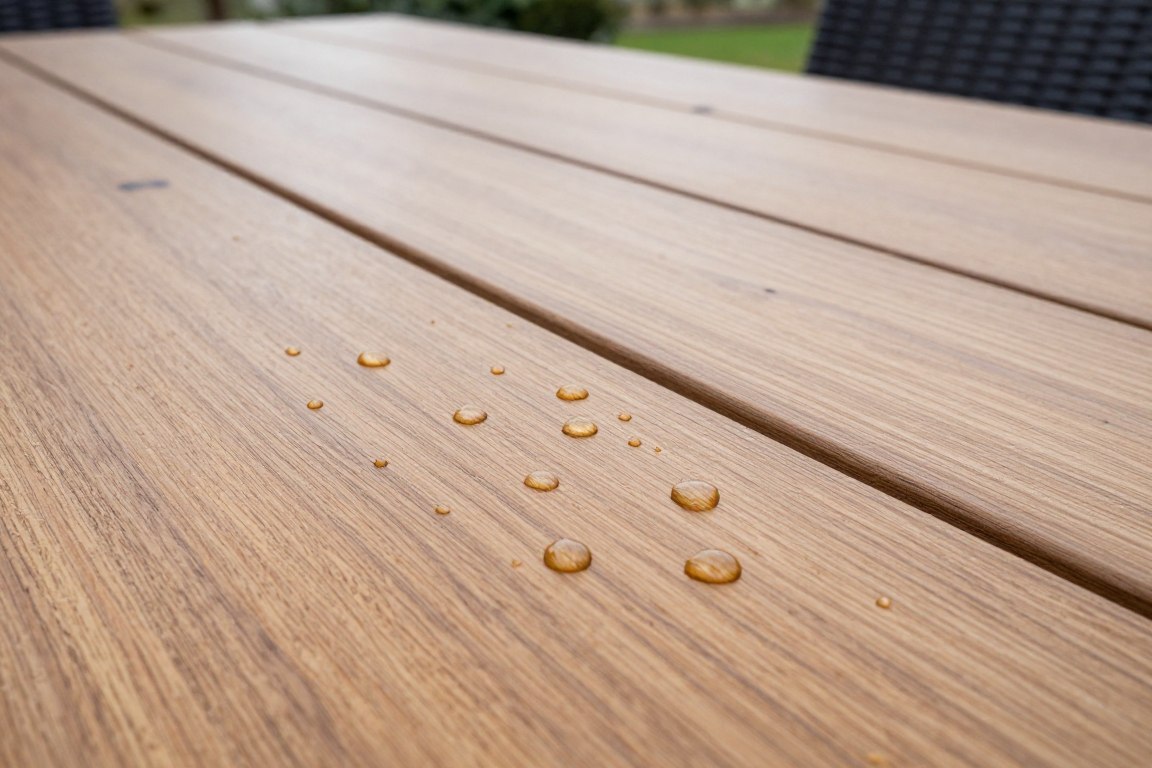
Natural oils within seasoned teak create a resilient barrier that discourages spores from establishing destructive colonies beneath the surface. Although damp shade can produce light surface algae during wet autumns, the underlying structural integrity remains completely uncompromised. Simple periodic washing removes organic surface residue without needing harsh chemical biocides or pressure washing.
Untreated teak timber naturally transitions from warm honey tones to an elegant silvery-grey patina over several seasons of exposure to British sunlight and rain. This silvering represents a benign cosmetic oxidisation of surface pigments, leaving structural density completely sound.
Unlike softwoods and non-oily hardwoods that require continuous applications of exterior paint, varnish, or pressure-treated preservatives, teak performs reliably in an unfinished state. Leaving garden furniture to age naturally reduces seasonal maintenance burdens while developing a classic weathered appearance that blends seamlessly into landscaped gardens. For areas subject to severe frosts, dense teak heartwood remains resilient without delaminating or developing deep frost checks.
Teak Timber Grading: Grade A, Grade B and Grade C
Understanding timber grading represents the most critical step when evaluating teak furniture UK retailers display across their showrooms and websites. Commercial teak furniture uses timber cut from different sections of the tree trunk, each possessing vastly divergent physical qualities, oil densities, and expected lifespans. Discerning the differences between Grade A, Grade B, and Grade C ensures buyers select pieces suited to their intended environment.
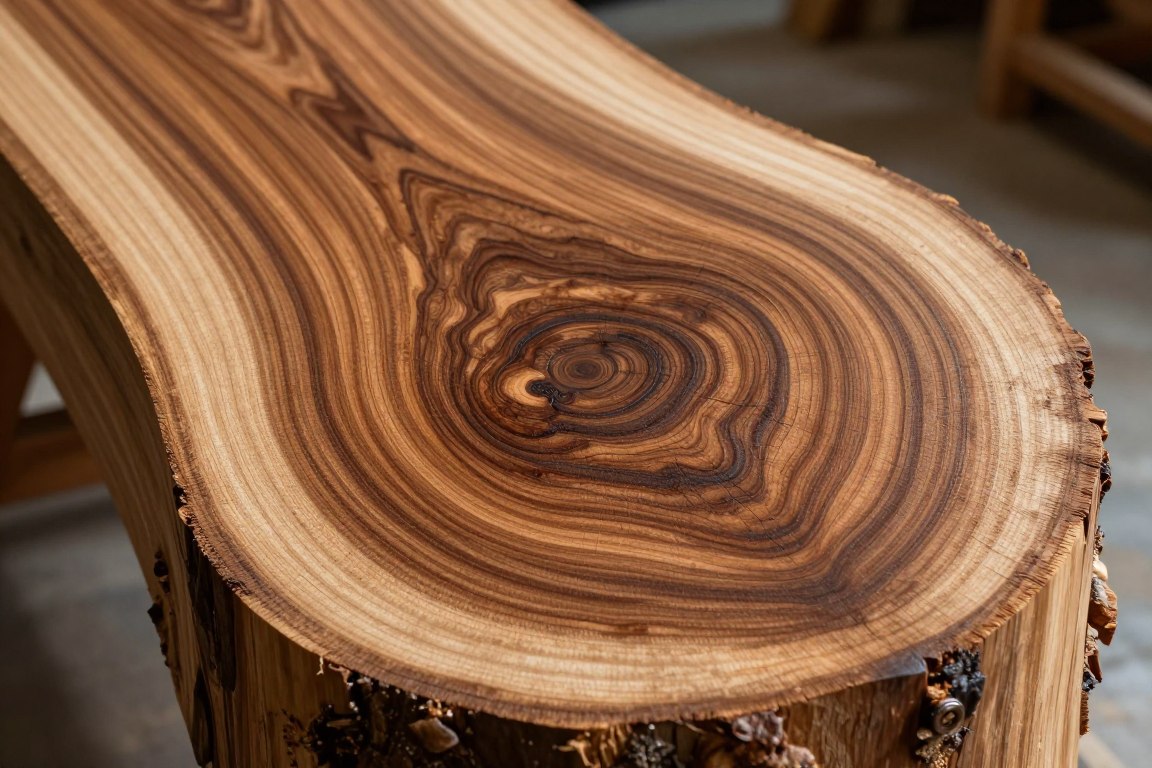
Grade A timber originates exclusively from the heartwood, the dense core of mature teak trees. This section contains the highest concentration of protective natural oils and silica, exhibiting a uniform golden-amber colour, tight straight grain lines, and virtually no knots. Grade B timber comes from the outer heartwood perimeter, offering lighter colouration, wider grain spacing, and moderate oil content that benefits from sheltered garden placement.
| Grade | Wood Section | Oil Density | Visual Characteristics | Suitability |
| Grade A | Core heartwood | Maximum | Even honey colour, tight grain | Unprotected year-round outdoor use in British conditions |
| Grade B | Outer heartwood | Moderate | Lighter brown, less uniform grain | Sheltered patios, verandas, and covered outdoor spaces |
| Grade C | Outer sapwood | Minimal | Pale cream, uneven, soft spots | Indoor decorative items only; prone to rotting outdoors |
Grade C timber is harvested from the soft, living outer layer known as sapwood. Because sapwood carries water and nutrients throughout the growing tree, it contains almost zero protective oil and remains highly porous after harvesting. Unscrupulous manufacturers sometimes chemically dye Grade C sapwood to mimic the golden tones of heartwood, yet such pieces rapidly rot, split, and warp when exposed to British rain.
Advantages and Practical Limitations of Teak Timber
Evaluating the practical advantages alongside potential limitations allows homeowners to determine whether teak aligns with their functional expectations and garden lifestyle. While teak stands out among outdoor materials for natural resilience, buyers should weigh practical handling factors, maintenance preferences, and initial budget commitments before purchasing.
Advantages
- Exceptional natural weather resistance without chemical pressure treatments.
- Naturally deters fungal decay, wood-boring insects, and wet rot.
- Ages gracefully into an attractive silvery patina with minimal intervention.
- Substantial weight prevents furniture from blowing over in strong British winds.
Limitations
- Higher initial purchase investment compared to softwoods or synthetic rattan.
- Significant weight makes frequent repositioning across garden lawns challenging.
- Surface dust and atmospheric pollution require periodic seasonal washing.
- Requires diligent provenance verification to avoid illegally harvested timber.
The substantial physical weight of solid teak provides distinct advantages during blustery autumn gales, remaining firmly anchored on exposed patios where lightweight aluminium or plastic chairs scatter easily. However, this same mass requires deliberate planning when rearranging garden furniture or storing items for winter. Households desiring lightweight mobility may prefer folding dining chairs or mobile benches featuring discrete caster fittings.
Assessing Construction Quality and Joinery Standards
Superb timber grading counts for little if the underlying joinery and assembly methods fall short of professional craftsmanship standards. British seasonal shifts exert continuous mechanical stress on furniture joints as temperatures fluctuate from winter freezes to warm summer heatwaves. High-quality construction techniques accommodate these subtle shifts without separating, cracking, or introducing structural wobble.
- Mortise and tenon joinery: Authentic mortise and tenon joints interlock timber components mechanically, providing superior load-bearing capacity compared to simple screw joints.
- Solid teak dowels: Precision wooden dowels expand and contract alongside surrounding timbers, preventing joint failure caused by uneven thermal movement.
- Marine-grade brass or stainless steel fixings: Hardware components must resist corrosion from damp air, avoiding unsightly rust streaks and metal degradation.
- Adequate slat spacing: Table tops and chair seats require consistent drainage gaps to prevent standing water from pooling along wood faces.
Prospective purchasers should examine the underside of tables and the connection points beneath chair armrests. Cheaper mass-produced alternatives often rely on metal brackets, wood glue, and surface screws that tear free after minimal seasonal exposure. Hand-finished pieces display flush joint faces, smooth transitions along curved backrests, and perfectly recessed hardware that stays hidden from direct weathering.
A well-constructed teak garden table or bench feels completely rigid when subjected to lateral pressure. If a display model exhibits slight rocking or flexible movement at corner joints, the piece will rapidly deteriorate under outdoor conditions. Insisting on traditional joinery standards safeguards long-term structural integrity across years of active family entertaining.
Selecting Teak Garden Dining Sets and Outdoor Tables
A teak dining set forms the centrepiece of outdoor entertaining throughout British spring and summer months. Choosing the right layout requires balancing available patio proportions with functional seating requirements and garden circulation paths. Options range from compact circular bistro arrangements to extensive extending tables accommodating large gatherings.
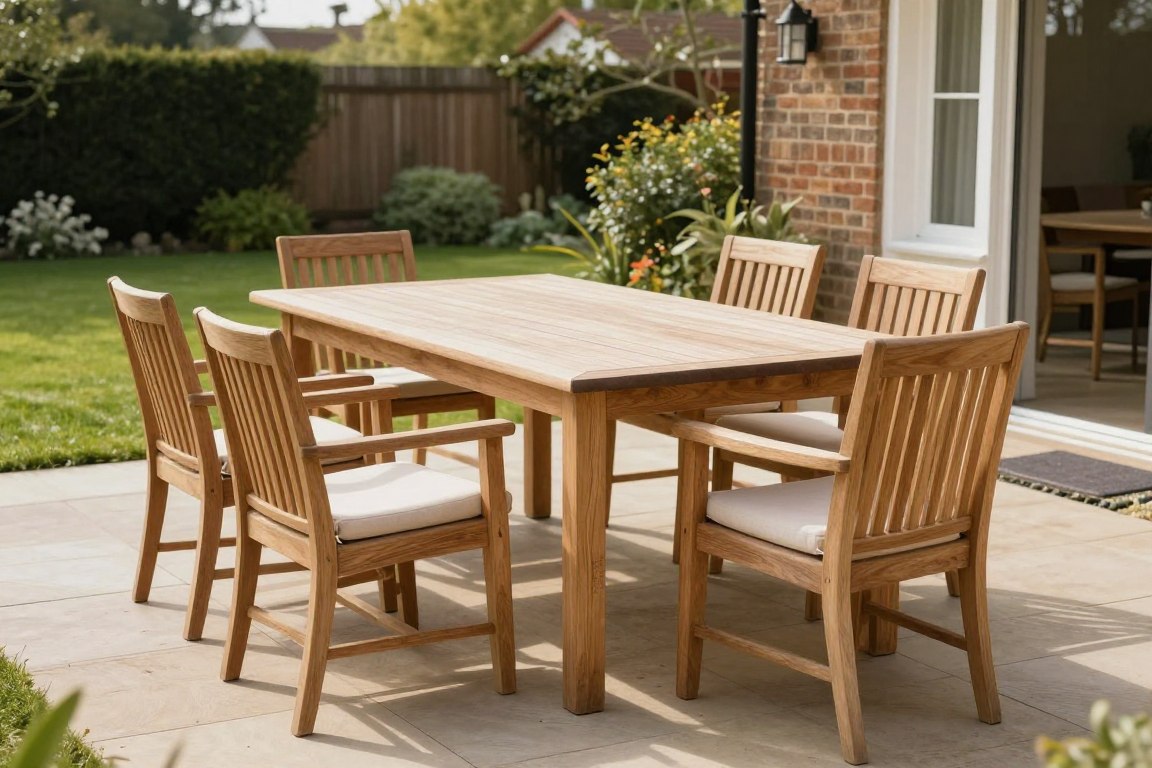
Extending teak tables should incorporate smooth internal butterfly leaf mechanisms crafted from solid teak and stainless steel runners. Check that extension leaves store cleanly inside the table frame without creating catch points or uneven surface transitions.
Round tables foster relaxed social conversation and allow flexible chair placement in tighter courtyard spaces, whereas rectangular tables optimise space along elongated patio boundaries and garden walls. Ensure that any table intended to host a parasol features a reinforced lower support ring in addition to the central surface aperture. This double support stabilises heavy canvas parasols against sudden summer gusts.
When selecting dining chairs, evaluate whether fixed armchairs, folding designs, or stackable models best match your storage capacity. Fixed armchairs offer the greatest ergonomic comfort for extended outdoor dining, while folding chairs stow away neatly during winter months. Pairing comfortable seat cushions finished in water-repellent, UV-stable outdoor fabrics complements natural teak tones while elevating long-term dining comfort.
Choosing Teak Garden Benches and Patio Seating
The traditional teak garden bench remains an iconic fixture across British private gardens, public parks, and institutional courtyards. Benches serve as focal points along herbaceous borders, quiet reading retreats beneath pergolas, or dignified commemorative markers on village greens. Evaluating proportions, ergonomic curvature, and timber thickness ensures lasting comfort and poise.
Classic Lutyens and Curved Benches
Distinctive arched crest rails and curved arms create architectural interest, acting as an ornamental focal point within manicured landscape settings.
Straight-Backed Traditional Benches
Deep horizontal seat slats and supportive raked backrests provide ergonomic comfort suitable for daily relaxation and formal commemorative use.
Comfortable bench designs feature subtly contoured seat profiles rather than flat horizontal planes, relieving pressure behind the knees during prolonged sitting. Armrests should feature generous widths and rounded edges that feel pleasant underhand in both warm and cool weather. Substantial leg dimensions of robust thickness provide vital stability when the bench rests on soft turf, gravel paths, or stone flagging.
For smaller patios, balconies, or sunny wall recesses, occasional teak furniture such as companion seats, steamer loungers, and coffee tables offer adaptable relaxation. Companion seats, featuring two connected armchairs joined by an integrated central table, optimise compact garden corners. Ensure adjustable loungers employ robust brass fittings across multi-position reclining notches to maintain reliable operation across repeated adjustments.
Teak Furniture for Indoor Living Spaces
While celebrated primarily for garden use, teak brings distinct warmth, acoustic softening, and durability into modern British interiors. Reclaimed and plantation teak pieces integrate gracefully into contemporary dining rooms, welcoming entrance halls, and moisture-prone home environments. The rich amber undertones and organic figure of heartwood add visual substance to both minimalist and eclectic decor schemes.
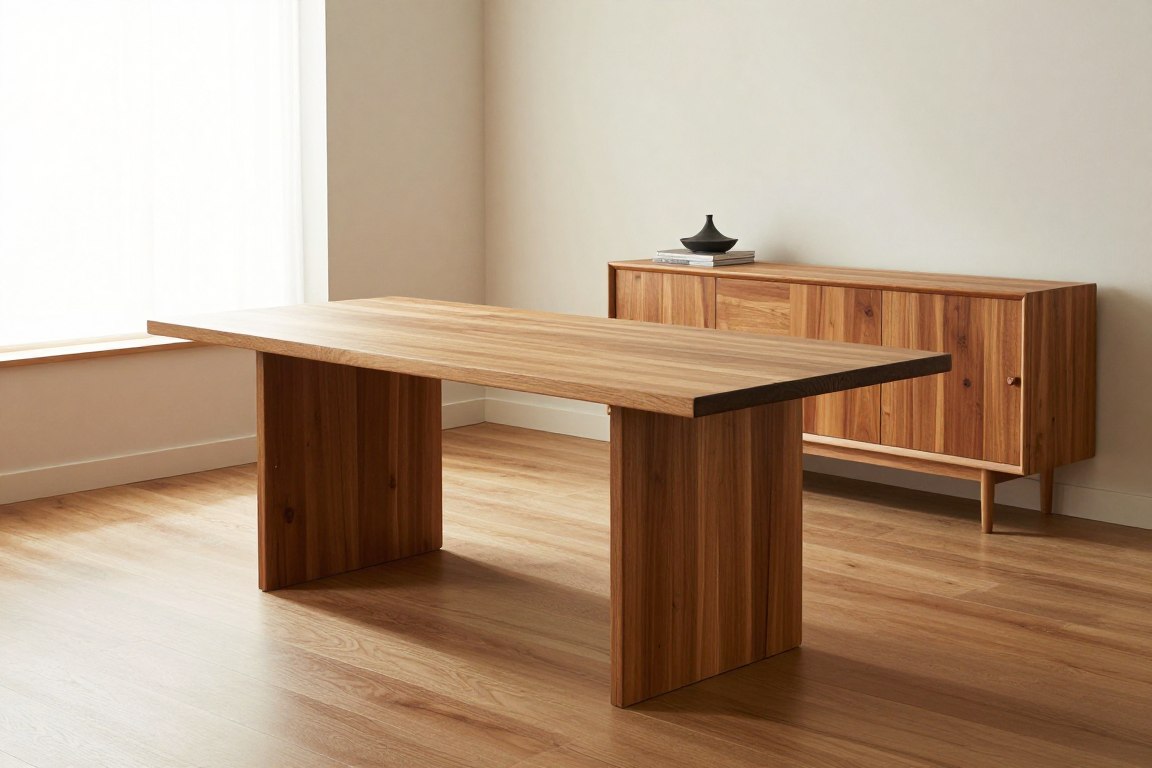
Bathrooms, utility rooms, and kitchens present heightened humidity levels that challenge many conventional furniture timbers such as untreated beech or veneered fibreboards. Teak flourishes in these moisture-rich domestic zones, making it an outstanding choice for washstand consoles, vanity counters, duckboards, and laundry storage units. Its natural oil reserves resist ambient steam and water droplets without swelling or blistering.
Indoor teak furniture placed near modern radiators, underfloor heating, or wood-burning stoves should be acclimated slowly. Avoid positioning solid timber directly adjacent to active heat sources to minimise premature moisture loss and uneven surface drying.
Interior teak pieces usually receive a smooth, ultra-fine sand finish followed by an application of clear matte sealer, natural beeswax, or Danish oil. Unlike outdoor furniture that weathers to silver, indoor teak retains its deep golden tones indefinitely when protected from direct sunlight. Occasional buffing with a soft dry cloth maintains a soft, satin lustre across table tops and cabinet fronts.
The Maintenance Debate: Teak Oil Versus Natural Weathering
One of the most frequent misconceptions surrounding teak furniture UK retailers encounter involves the routine application of commercial teak oil. Despite its deceptive marketing name, commercial teak oil rarely contains genuine oil pressed from the teak tree. Instead, it typically consists of thinned linseed or tung oil mixed with volatile petroleum solvents and artificial driers.
- Develops a protective, low-maintenance silvery-grey patina over time.
- Eliminates ongoing cycles of chemical stripping, sanding, and re-application.
- Allows the timber to breathe naturally without trapping airborne fungal spores.
- Preserves internal rubber reserves without introducing synthetic surface solvents.
Natural Weathering
- Preserves honey-amber tones by filtering damaging outdoor ultraviolet rays.
- Breathable formulation prevents black mildew spots from colonising surface oils.
- Dries quickly without leaving tacky residues that attract dust and garden pollen.
- Requires renewal only after natural weathering indicates pigmentation fade.
Water-Based Teak Sealers
Applying standard commercial teak oil outdoors in the damp British climate often creates long-term maintenance headaches. The solvent carrier evaporates, leaving sticky vegetable oils on the timber surface that rapidly trap airborne dust, soot, and fungal spores. Within a few wet months, oiled teak frequently develops unsightly black mildew blotches that require harsh chemical stripping to rectify.
Owners who prefer maintaining the original golden-honey colouration should avoid traditional oils and select water-based penetrating sealers formulated specifically for dense tropical hardwoods. Quality sealers deposit ultraviolet inhibitors without forming an impermeable plastic film across the timber grain. If allowed to weather naturally, high-grade teak requires no sealers whatsoever, simply washing down each spring to remove seasonal grime.
Cleaning, Protection and Winter Storage in the UK
Establishing a simple, regular cleaning routine keeps outdoor teak looking pristine while preventing algae build-up on shaded patio surfaces. A gentle seasonal clean ahead of spring entertaining removes accumulated environmental soot, bird deposits, and garden debris. Approaching this process with appropriate tools preserves the delicate wood grain from unnecessary abrasion.
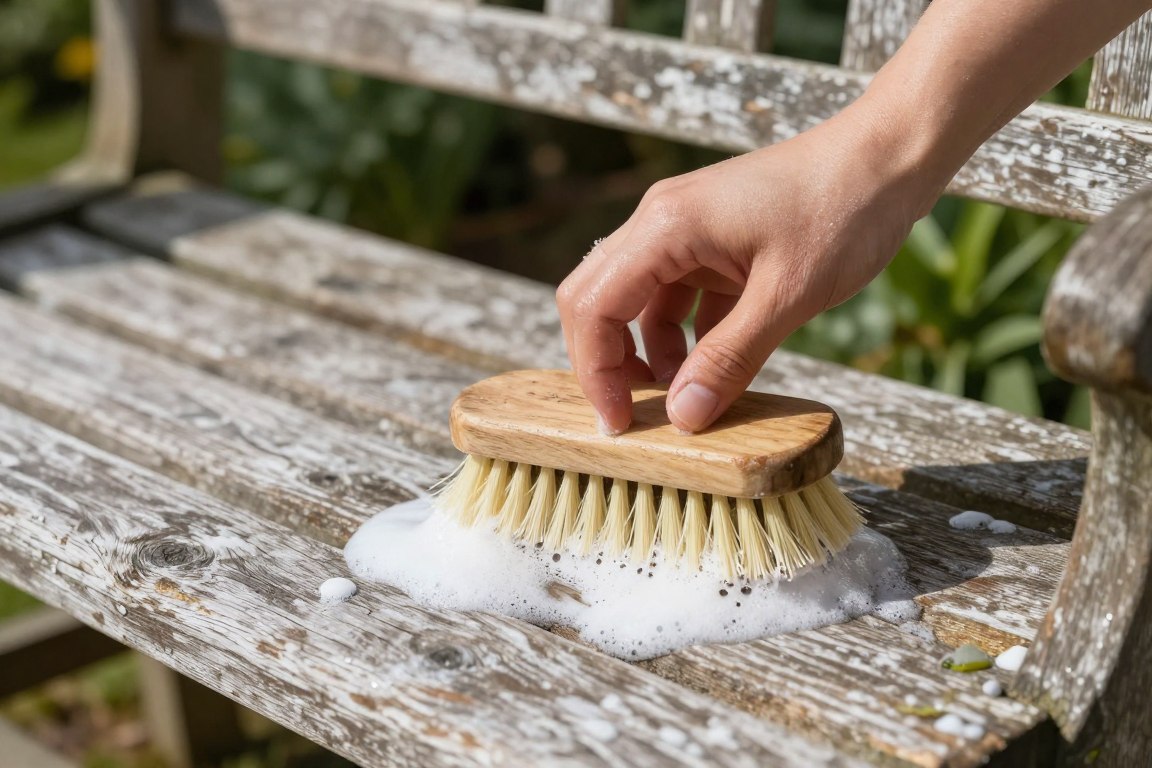
- Douse with warm water: Wet down the timber thoroughly with clean water to soften surface dirt and open up superficial grain pores.
- Scrub across the grain: Use a soft-bristle brush with mild soapy water or dedicated teak cleaner, scrubbing across the grain to avoid gouging soft wood fibres.
- Rinse thoroughly: Wash away all soapy residues using a garden hose fitted with a gentle spray rose, leaving the surface to dry completely in the open air.
- Smooth raised fibres: If grain fibres feel slightly raised after drying, rub down the affected areas lightly using very fine abrasive paper.
Never clean teak furniture using high-pressure jet washers. High-pressure water blasts out softer grain rings, leaving the wood face permanently furrowed, rough to the touch, and highly vulnerable to dirt retention. A gentle wash using mild domestic soap flakes or specialised non-acidic timber cleaner delivers superior results while keeping surfaces silky smooth.
During damp winter months, Grade A teak can safely remain outside on a well-drained patio or terrace without degrading. If using protective covers, choose breathable fabrics engineered with ventilation flaps, avoiding non-breathable plastic tarpaulins that trap condensation and cultivate green algae. If storing furniture inside an unheated shed or garage, ensure the timber dries completely beforehand to prevent trapped moisture issues.
Sustainable Sourcing, FSC Certification and Timber Legality
Because teak grows predominantly in tropical regions, UK consumers have an environmental and legal responsibility to verify timber provenance. Unregulated deforestation damages vital tropical ecosystems, threatens biodiversity, and undermines indigenous communities. Responsible UK importers and manufacturers operate strictly within clear legal frameworks to ensure timber originates from well-managed, sustainable plantations.
Always inspect teak furniture for recognisable environmental accreditations, such as Forest Stewardship Council (FSC) certification or verified compliance with the UK Timber Regulation (UKTR) and FLEGT licensing systems.
Sustainably harvested teak primarily derives from state-regulated plantations located in Indonesia, where forestry management traces its origins back over several centuries. The Indonesian government oversees strict harvesting quotas through the Perum Perhutani agency, replanting saplings as mature trees are felled. Certified Indonesian legal teak arrives in the UK accompanied by Timber Legality Assurance System (SVLK) documentation and FLEGT licences.
FSC-certified timber guarantees that every processing step, from the forest floor to the retail distribution warehouse, complies with strict environmental and social audits. Purchasing certified teak furniture supports responsible forestry workers, combats illegal logging operations, and protects sensitive tropical forest canopies. Legitimate retailers transparently display their timber origins and supply chain certifications on request.
Investment Considerations and Expected Lifespan
Initial retail price tags for premium teak furniture reflect the extended time required for plantation trees to reach full maturity, coupled with precision artisan joinery. Whereas fast-growing softwood species mature in relatively brief periods, genuine teak requires decades of careful forestry cultivation before its heartwood develops optimum oil saturation and density. High manufacturing standards and global shipping also shape retail valuations.
Short-Term Softwoods
Lower initial purchase price offset by repeated painting, weatherproofing treatments, and frequent eventual replacement cycles.
Synthetic Materials
Moderate cost with low maintenance, yet prone to ultraviolet embrittlement, cracked weaves, and challenging environmental disposal.
Solid Grade A Teak
Higher initial outlay delivering decades of dependable structural integrity, timeless visual charm, and zero compulsory treatment costs.
When evaluated over a multi-decade ownership cycle, solid Grade A teak consistently represents exceptional economic value for UK households. While cheaper outdoor alternatives deteriorate after a handful of wet British winters, properly constructed teak retains its functional stability and aesthetic grace across generations. Investing once in high-grade teak prevents the recurring expense and environmental waste of disposing of failed garden sets every few seasons.
Budget-conscious shoppers should beware of suspiciously low-cost “teak effect” or unverified imported pieces. Unrealistically cheap options invariably use Grade C sapwood disguised with artificial stain, insecure flat-pack screws, or fast-grown alternative hardwoods that lack natural decay resistance. Prioritising genuine timber pedigree ensures the investment proves satisfying and structurally enduring.
Key Questions to Ask Before Purchasing Teak Furniture
Purchasing outdoor living furniture involves evaluating technical specifications that are not always evident from surface appearances alone. Equipping oneself with focused questions allows buyers to cut through vague promotional phrasing and confirm genuine craftsmanship. Whether visiting a specialist garden showroom or browsing online catalogues, verify these critical construction and material markers.
| Evaluation Area | What to Inspect | Indicator of Quality | Warning Sign |
| Timber Grade | Grain colour, knots | Uniform golden heartwood, tight rings | Pale streaks, knot holes, wood filler |
| Joinery Methods | Corner connections | Mortise, tenon, and solid dowels | Visible screws, staple joints, glue oozing |
| Metal Hardware | Bolts and fittings | Solid brass or marine stainless steel | Zinc-plated steel, rust-prone finishes |
| Surface Treatment | Exterior finish | Smooth bare wood or breathable sealer | Thick glossy varnish, coloured stains |
| Timber Legality | Chain of custody | FSC or verified FLEGT/UKTR documentation | Unclear origin, missing compliance papers |
Inquire directly about the kiln-drying process employed during timber seasoning. Properly dried teak achieves a balanced moisture content that prevents shrinkage after furniture arrives in homes or gardens. Reputable furniture makers dry their timber in controlled kilns before cutting joints, ensuring components fit together with exacting mechanical tolerance.
Finally, examine return policies and customer service credentials when purchasing substantial outdoor furniture suites. Established UK retailers provide comprehensive guidance on delivery access, pre-assembly conditions, and care recommendations tailored to local garden environments. Clear documentation and knowledgeable staff indicate a vendor committed to long-term quality standards.
Frequently Asked Questions About Teak Furniture UK
Does outdoor teak furniture require regular oiling in the UK?
No, outdoor teak furniture does not require oiling and often performs significantly better without it in the damp British climate. Commercial oils can trap moisture and airborne spores, promoting black mildew growth on the surface.
Can Grade A teak furniture remain outside during British winters?
Grade A teak furniture can remain outdoors throughout winter on a well-drained patio without suffering structural rot or frost damage. Breathable furniture covers may be used to protect surfaces from falling leaves, soot, and bird deposits.
How does one clean green algae from teak garden furniture?
Green algae washes off easily using warm water, mild soap flakes or specialised teak cleaner, and a medium soft-bristle scrubbing brush. Scrub across the grain to protect timber fibres, rinse clean with a garden hose, and allow the piece to dry naturally.
Why does untreated teak furniture turn silver-grey over time?
Untreated teak turns silver-grey due to natural oxidisation caused by sunlight and seasonal rainfall breaking down superficial surface pigments. This cosmetic transformation affects only the outermost microscopic layer, leaving the dense structural core completely sound.
How can buyers verify that teak furniture is legally and sustainably sourced?
Buyers should request proof of FSC certification or verified FLEGT licences demonstrating full compliance with UK Timber Regulations. Reputable retailers openly disclose their timber supply chain and Indonesian plantation credentials.
Choosing Lasting Teak Furniture for British Conditions
Selecting authentic teak furniture provides British homes and gardens with timeless beauty, ergonomic comfort, and unmatched resistance to unpredictable maritime weather. Prioritising Grade A heartwood, traditional mortise and tenon joinery, and certified sustainable provenance guarantees a lasting addition to domestic living spaces. With straightforward seasonal cleaning and appropriate care, genuine teak delivers dependable relaxation and dining pleasure across countless seasons.